
UltraLight Steel Programmes
The UltraLight Steel Programmes
History
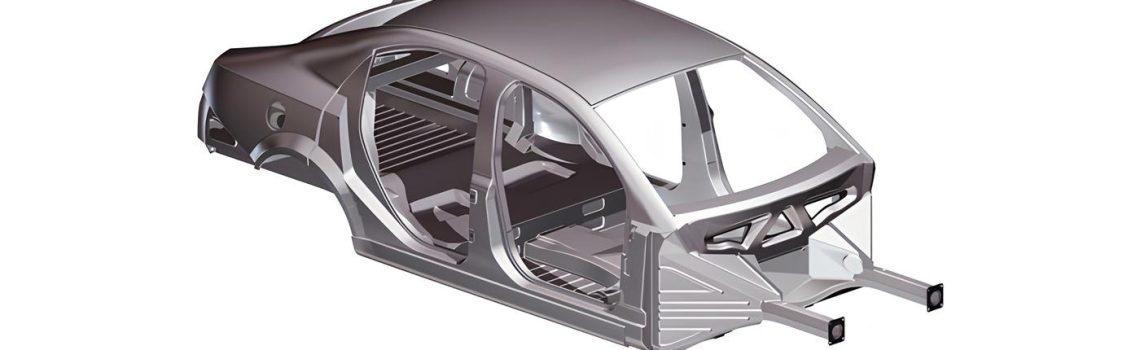
In 1994, a consortium of 35 global sheet steel producers representing 22 countries began the UltraLight Steel Auto Body (ULSAB) programme, with the goal of designing a lightweight steel auto body structure that would meet existing and proposed safety and performance targets. The result was a BIW concept that was lightweight, structurally sound, safe, executable, and affordable.
ULSAB received wide acceptance from the automotive industry, spawning three other steel consortia projects covering full vehicle design UltraLight Steel Auto Body – Advanced Vehicle Concepts (ULSAB-AVC), closures UltraLight Steel Auto Closures (ULSAC), and suspensions UltraLight Steel Auto Suspensions (ULSAS). Each used an increasing percentage of high strength steels and Advanced High-Strength Steels (AHSS), along with advanced fabrication technologies such as tailored blanks, hydroformed tubes and continuous laser welding, further enhancing structural efficiency.
Programme Objectives
Each of the UltraLight programmes were conducted using the same foundational objectives:
- Show the potential for optimised, cost-effective, environmentally-friendly and lightweight steel-intensive solutions
- Explore and promote the full range of steel product and process technologies
- Develop steel-based design concepts that meet or exceed modern standards of performance, safety and efficiency
- Assist the automakers with the competitive challenges of reducing mass while satisfying a range of technical, safety, environmental and consumer demands.
UltraLight Steel Auto Body (ULSAB)
The ULSAB Programme was an intensive, multi-phase study to demonstrate steel’s capability to reduce substantially the weight of a vehicle’s body structure and, at the same time, ensure safety with improved comfort and driving performance, all at affordable cost.
ULSAB resulted in the design and engineering of a lightweight, efficient steel body structure that achieved impressive mass savings and significant performance improvements, while retaining affordable cost to manufacture.
For more information or to request a copy of the engineering report contact us.
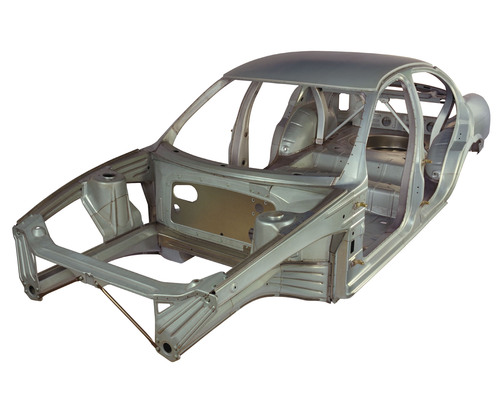
UltraLight Steel Auto Body – Advanced Vehicle Concepts (ULSAB-AVC)
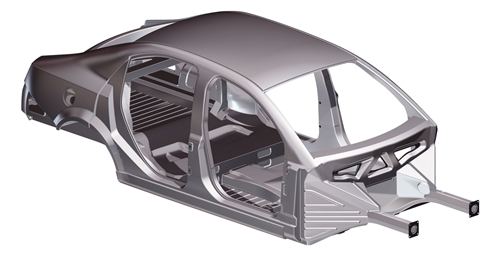
ULSAB-AVC’s programme objective was to highlight steel as the most environmentally optimal and affordable material for future generations of vehicles. The programme focused on demonstrating the application of new steels, advanced manufacturing processes, and innovative design concepts for U.S. mid-size and European C-Class vehicles.
For more information or to request a copy of the engineering report contact us.
Ultralight Steel Auto Closures (ULSAC)
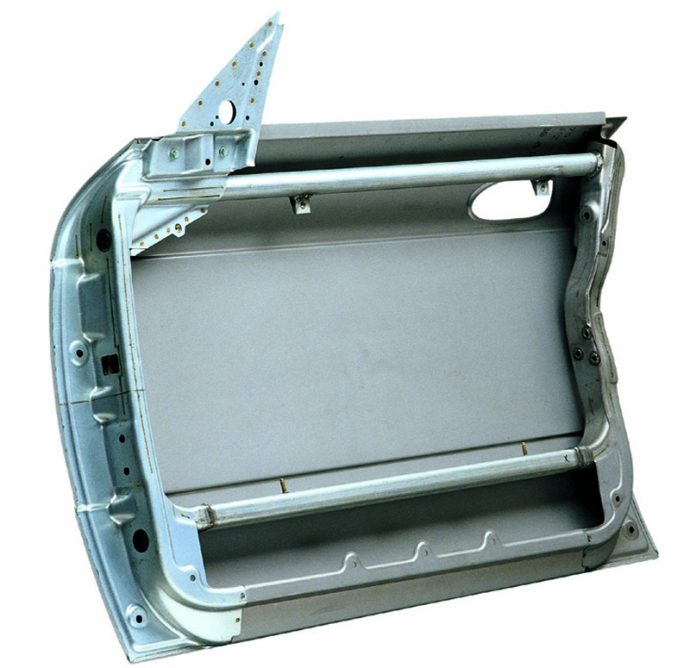
ULSAC was a study undertaken by WorldAutoSteel to demonstrate the effective use of steel in producing lightweight, structurally sound steel automotive closures that are manufacturable and affordable. ULSAC began as a concept development programme, producing lightweight designs for doors, hoods, decklids and hatches that are up to 32% lighter than the average benchmark.
The programme continued to the manufacture of steel frameless door demonstration hardware that achieved dramatic results in mass reduction and performance, yet was manufacturable in high-volume at affordable costs.
For more information or to request a copy of the engineering report contact us.
UltraLight Steel Auto Suspension (ULSAS)
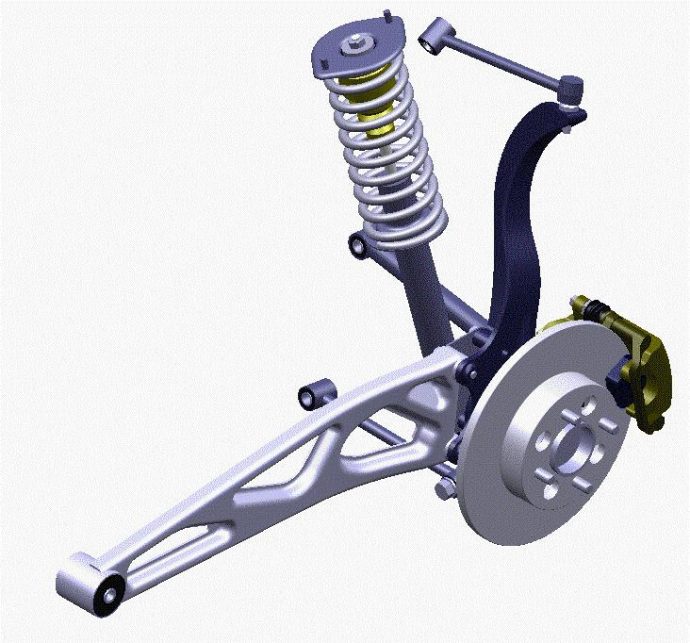
The ULSAS Programme focused on understanding and optimising the properties of steel for suspension systems. Lotus Engineering, a world-class consultant in vehicle and chassis engineering, with widely recognised expertise in vehicle dynamics, conducted the study.
ULSAS demonstrated that affordable mass savings can be achieved when compared with conventional steel-based designs, and cost savings with no mass penalty when compared with an aluminum-intensive benchmarked suspension system.
For more information or to request a copy of the engineering report contact us.